Indie Interviews

Can you tell us more about yourself and what led you to become an indie maker
Hi, I'm Walid Ashik. I am an indie developer with a full-time job. I like freedom, which actually led me to become an indie maker. Though I love my day job, there's one thing that I cannot get out of it: the full authority to do, try, and fail. But in my indie development, I can do all three. Also, there's tremendous joy in making money while you sleep and not working.
When I first started my career in tech, I was really into reading and writing quotes. I had an Instagram account where I regularly posted quotes. Since it was an Instagram account, the quote was not text but an image with a quote written on it.
I used Microsoft PowerPoint to create those quote images for my Instagram account, and it took a lot of time to create one. So, I decided to create an app to serve my needs. I developed the app and started posting the quote images to Instagram and my Facebook account.
Some of my friends were asking back then how I created these quotes. I told them I developed an app for it. They asked for the app, and I sent them the APK (since it's an Android app). They suggested that I put it on the Play Store, so I did.
Within 1 year of publishing the app to the Play Store, I hit 100K downloads, which was unbelievable for me since I didn't know anything about ASO or marketing back then. But now I understand why I got so many downloads because I started writing on Medium and shared my learnings about making an app all alone.
This Quote Writer app was my first app that actually led me to this indie hacking world. I didn't know anything about indie hacking back then. Once I joined Twitter and became friends with a couple of people, I got to know that making an app alone and making some money has a term called indie hacking.
How did you come up with the idea? How do you generate ideas for your apps or projects, and how do you identify the problems or needs your app can address?
Quote Writer was the first app I made, but after creating Quote Writer, I have also developed a couple more apps. You have already heard how I got the idea for the Quote Writer app. Now I would like to tell you about another app where I put all my heart and effort nowadays.
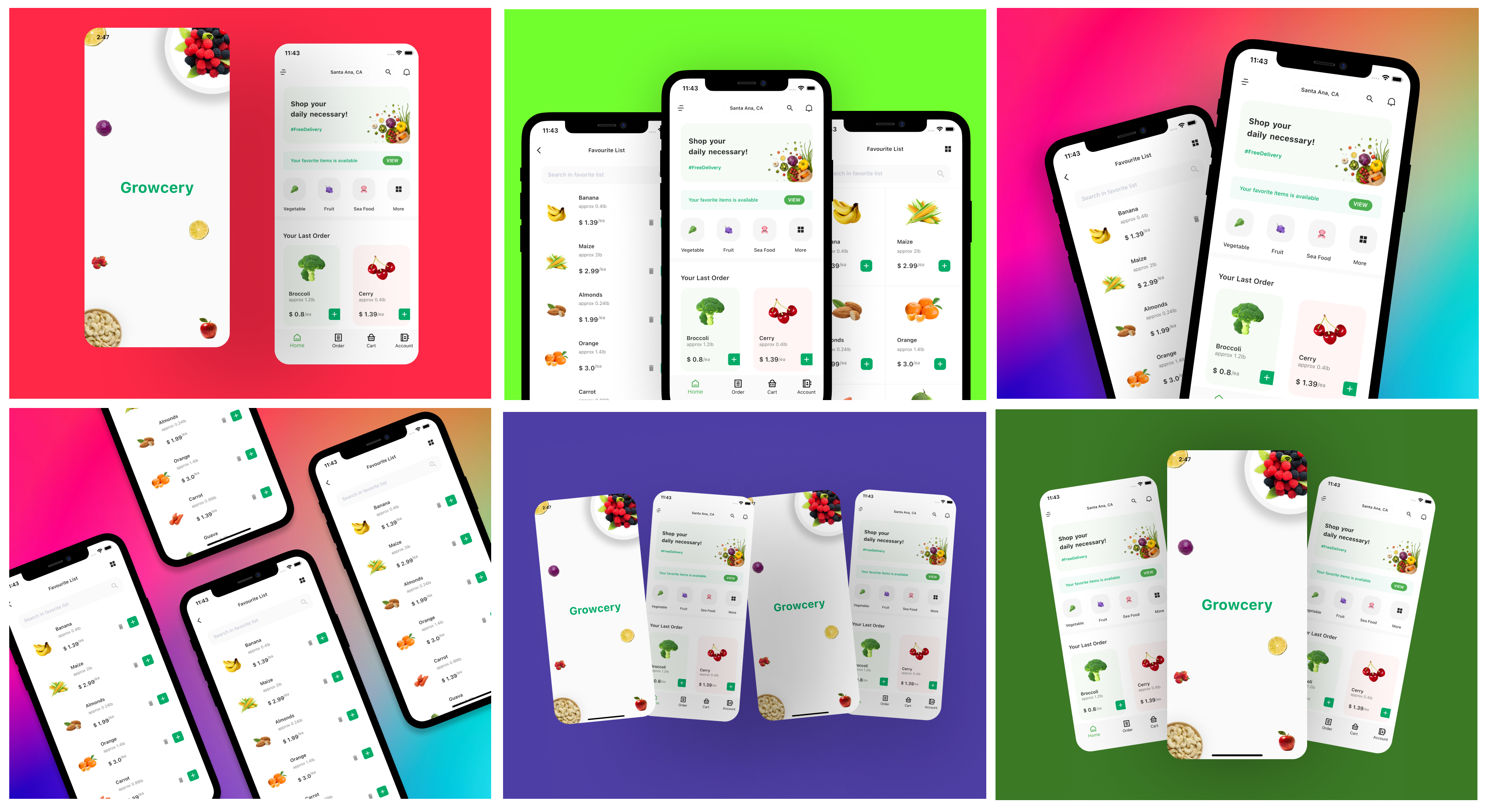
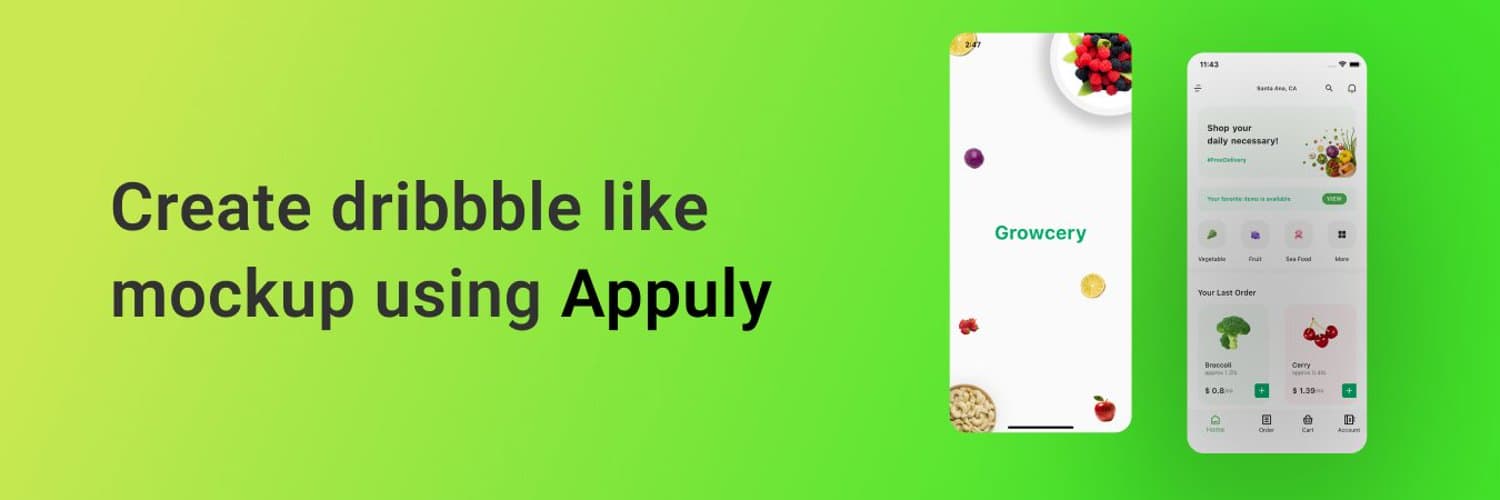
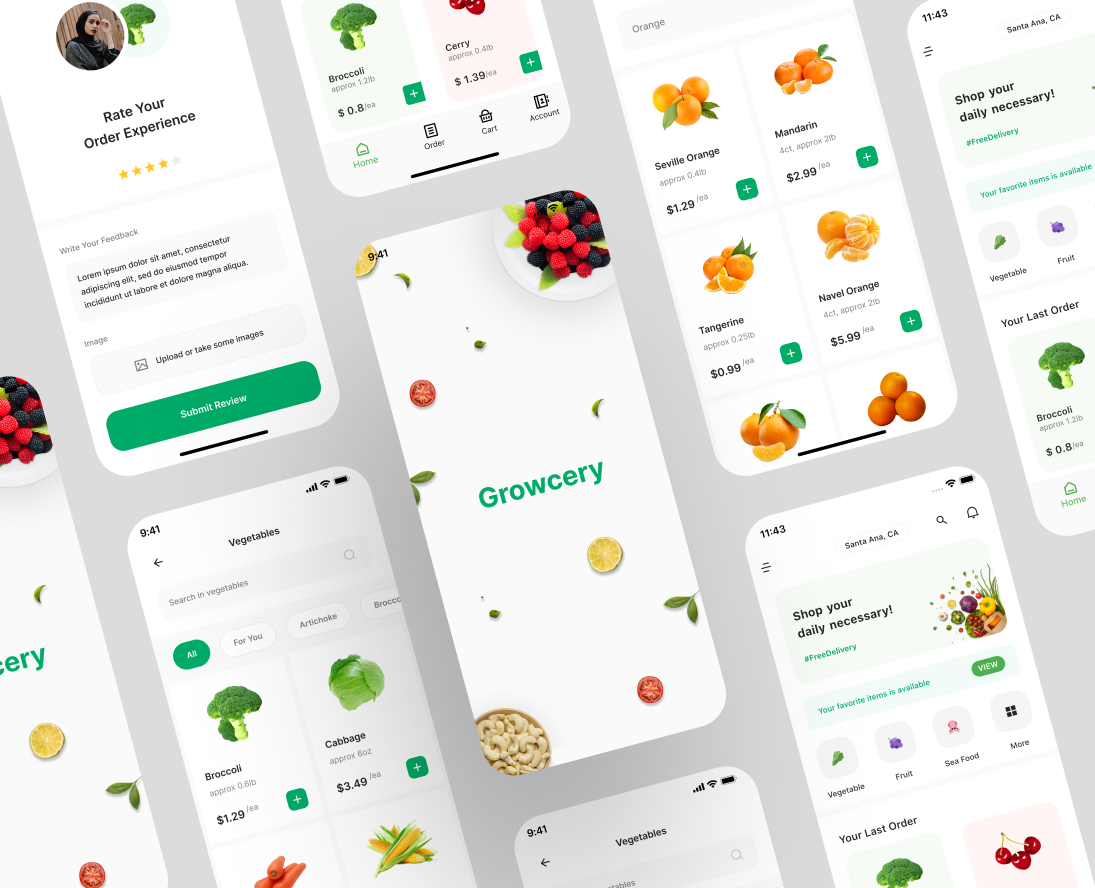
A few months ago, I started developing Appuly. It's an app that lets you create stunning Dribbble-like mockups for your app's screenshots. After joining the Twitter indie developer community, I started building apps in public. To create eye-catching promotional images, I always used Figma. However, Figma has one big problem: whenever I needed to create promotional images, I had to AirDrop my screenshots and put them in Figma. Additionally, I lost the ability to easily create promotional images and it took more time.
So, I thought about making an app to solve this problem. I started building the app in public. You might have already guessed that I get ideas for my apps from my own problems. I like to solve all of my problems using apps if possible. I also look for problems in other people's lives as well. But solving my own problems by creating an app is more enjoyable than solving someone else's problems.
How is your day-to-day app development workflow look like?
As you read, I'm an indie developer with a full-time job. Most people say they do a side hustle alongside their day job. But I like to say it the other way around, like "I am an indie developer with a full-time job". It's the same thing, but the latter gives the impression that my indie hacking is the main priority.
I am a very busy person. Most of my time is spent on my day job, and what's left is a significant amount of time that I spend with my family. But I always find a way to work on my apps because I keep looking for gaps in my daily schedule so that I can work on my ideas. Overall, this is the dopamine hit I am always craving.
I sometimes work early in the morning when everyone's sleeping, or sometimes I work late at night. There's no schedule for my indie hacking stuff, but I make sure I work on my apps every day.
How do you launch and market your app?
When I developed Quote Writer, I started writing regularly on Medium. I have written many articles on how to market and build mobile apps, and among them, 2 became very popular. Two of my articles got published on Medium's largest marketing publications, Better Marketing. So, back then, before Twitter, I used to market my apps on Medium by writing valuable articles. But now, I'm only focusing on Twitter and building in public.
You might have already seen me creating beautiful mockups for other people's tweets. If I see some of my indie friends posting their app's screenshot without any mockup styling, I download their screenshots and create beautiful mockups using Appuly instantly, and reply with that mockup in their tweets.
It takes time, but as of now, I've seen that this brings the most success in my app marketing game.
What are the future plans for your app?
For my Appuly app, I've created some future plans for the next 6 months. Within the next 6 months, I will release a macOS app for Appuly. This is the most requested feature so far. Everyone who loves Appuly wants to have it on their Mac as well, so that they don't need their phone when they're working with their Mac.
Do you have any interesting lessons learned or tips for other indie makers?
All these years, building apps, I have found one thing quite mesmerising: having a good network/connections on Twitter really helps in the "build in public" journey. So, if you want to build in public, please establish good relationships with other indie developers who will eventually help you uplift your game.
Looking back, are there any decisions or actions you regret not taking before or during the development and launch of your apps? Is there anything you would have done differently?
When I first developed and launched Appuly, I made a significant mistake with the pricing. I overpriced Appuly's monthly and yearly subscriptions. I believe that if you're launching a new app, the monthly subscription should not exceed $1.99.
In the beginning, when you're also building the app publicly, you should price your app as low as possible. This will help you attract more premium users and, as a result, you'll gain more users who enjoy discussing the apps they use daily.
I changed the pricing of Appuly last month to $1.99 for the monthly subscription, and I have already started to see the results. More people are purchasing the premium subscriptions, and more people have begun discussing the app as it truly helps them share their app's screenshots in stunning mockups on their buildinpublic journey.
Some optional bonus questions
Are there any other products that you are particularly proud of? Could you share some details about them
I'm proud of my Appuly app so far, but besides Appuly, I'm also proud of my Affirmation app, Affirm. When I was building Affirm, my main priority was the app's aesthetics, which I believe I've achieved to some extent.
The UI of the Affirm app is clean, and the user experience is calming. When you open the app, you automatically feel, you are at peace. I've implemented some simple yet creative animations that make me proud of my execution.
Are there any indie makers or creators whose work you admire and follow closely?
There is more than one. I love how Adam shares his journey on Twitter. He's really inspiring for all of us.
I also love Kris & Matteo's work. When I had fewer than 300 followers on Twitter, I met them on a call and became friends. They are very helpful, and both of them share their journey on Twitter, which is motivating for me.
Could you recommend any specific tools or resources that you believe are helpful for other indie makers, especially those just starting out?
Even if Appuly was developed by someone else, I would still recommend the app to everyone. Creating a mockup for your app's screenshot and sharing it on Twitter can boost your engagement.
Therefore, I believe every indie app developer should use Appuly to create beautiful screenshots. This will ultimately help them reach larger audiences.
Thanks for reading til the end. Hope you enjoy the interview as much as we did.
Indie Interviews by Indie Goodies is all about discovering and showcasing indie makers. We firmly believe that behind every app, there's an inspiring tale of passion, creativity, and perseverance. We're always on the lookout for aspiring indie makers to feature in our series, and if you have any suggestions or recommendations, we'd love to hear from you.
Once again, thank you for joining us on this journey. Your support means the world to us. Until next time, keep supporting indie makers, keep exploring innovative apps, and subscribe to Indie Goodies interviews for more.