Indie Interviews


Can you tell us more about yourself and what led you to become an indie maker
I'm Saffet, 25 years old and based in Türkiye. I have been developing apps with Swift for about 5 years. I'm also interested in UI design and backend development. I first started designing during my high school years. Later, I chose the computer engineering department at university. I began developing apps with Swift at university because I always wanted to have a product that I designed and coded myself. I guess I can say that this is how I became an indie maker.
How did you come up with the idea? How do you generate ideas for your apps or projects, and how do you identify the problems or needs your app can address?
Every app I create is born from my own needs. I can identify the problem because it arises in my daily life or stems from my own requirements. I don't begin developing an app until I've encountered these issues for a few years, actively seeking solutions. I consider this approach very important.
Before developing Konsensus (the all-in-one social network for movie and TV show lovers), I struggled to log or keep track of the movies or TV shows I watched or planned to watch. Initially, I tried using apps designed for tracking movies and TV shows, but none of them fully solved my problem. I had to use multiple apps, which consumed a lot of time, and some of the features I desired were unavailable in any app. Consequently, I decided to develop Konsensus.
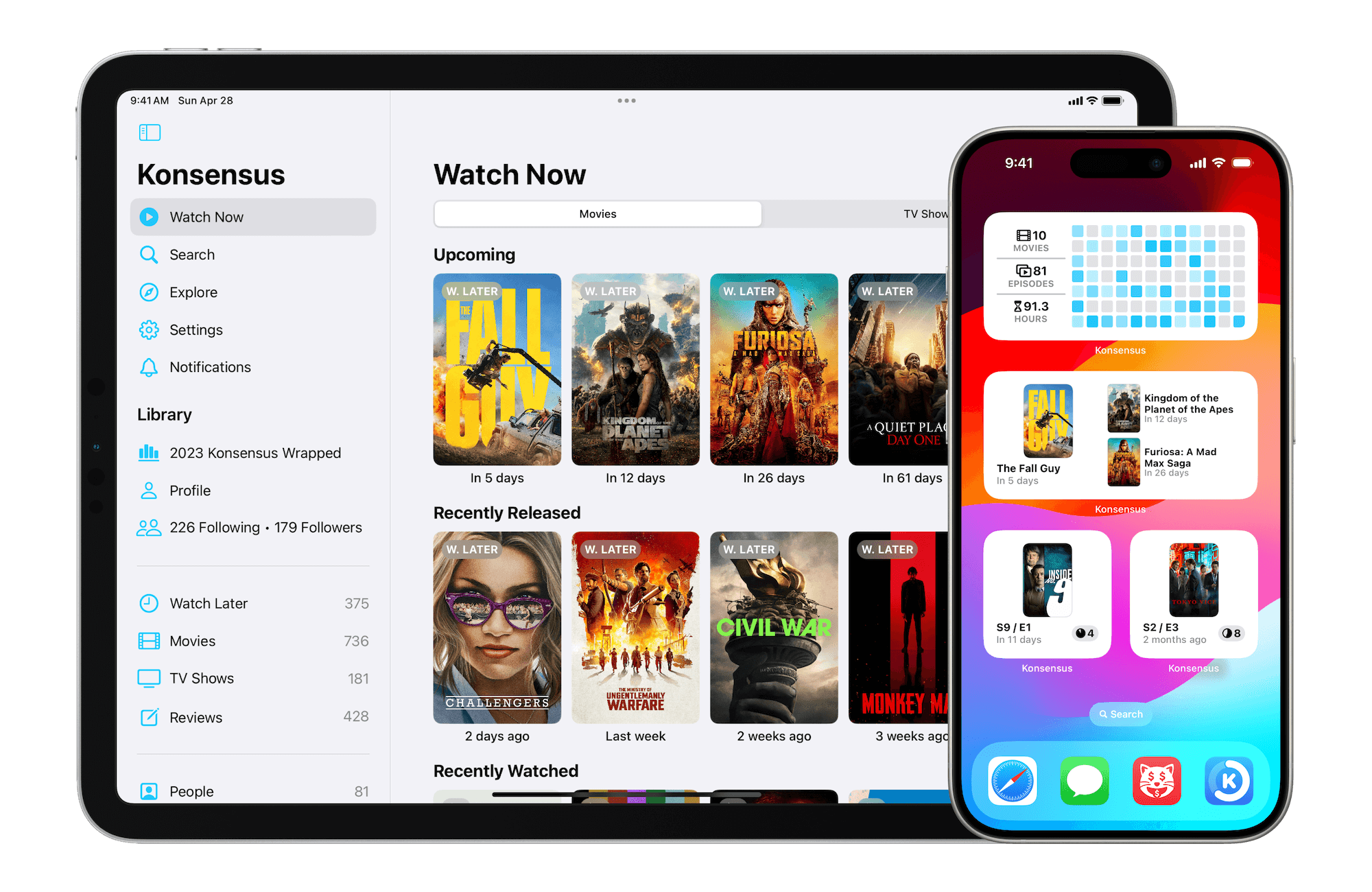
Currently, Konsensus allows users to log and track movies and TV shows. It provides ratings from 10 different platforms (IMDb, Letterboxd, Trakt, Rotten Tomatoes, Metacritic, MyAnimeList, TMDb, etc.). Users can receive notifications for new episodes of TV shows or for teasers/trailers of movies or TV shows. Additionally, they can sync their movies and TV shows with Letterboxd and Trakt, view streaming services available in their region through JustWatch, and more.
Likewise, before developing Kedi (a free and open-source RevenueCat client), I struggled to display my RevenueCat data as desired. Over the years, I tried other apps but couldn't find what I needed.
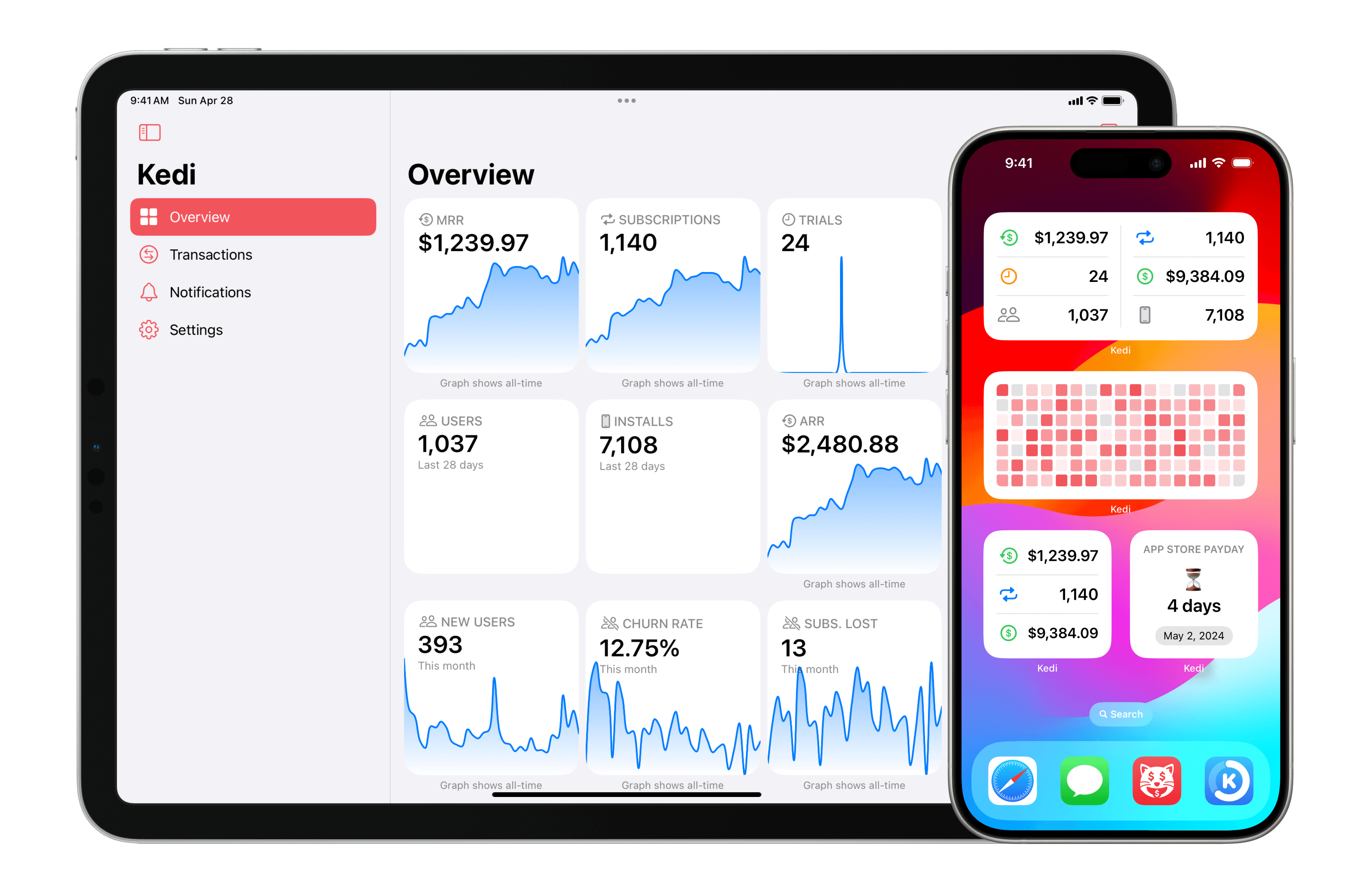
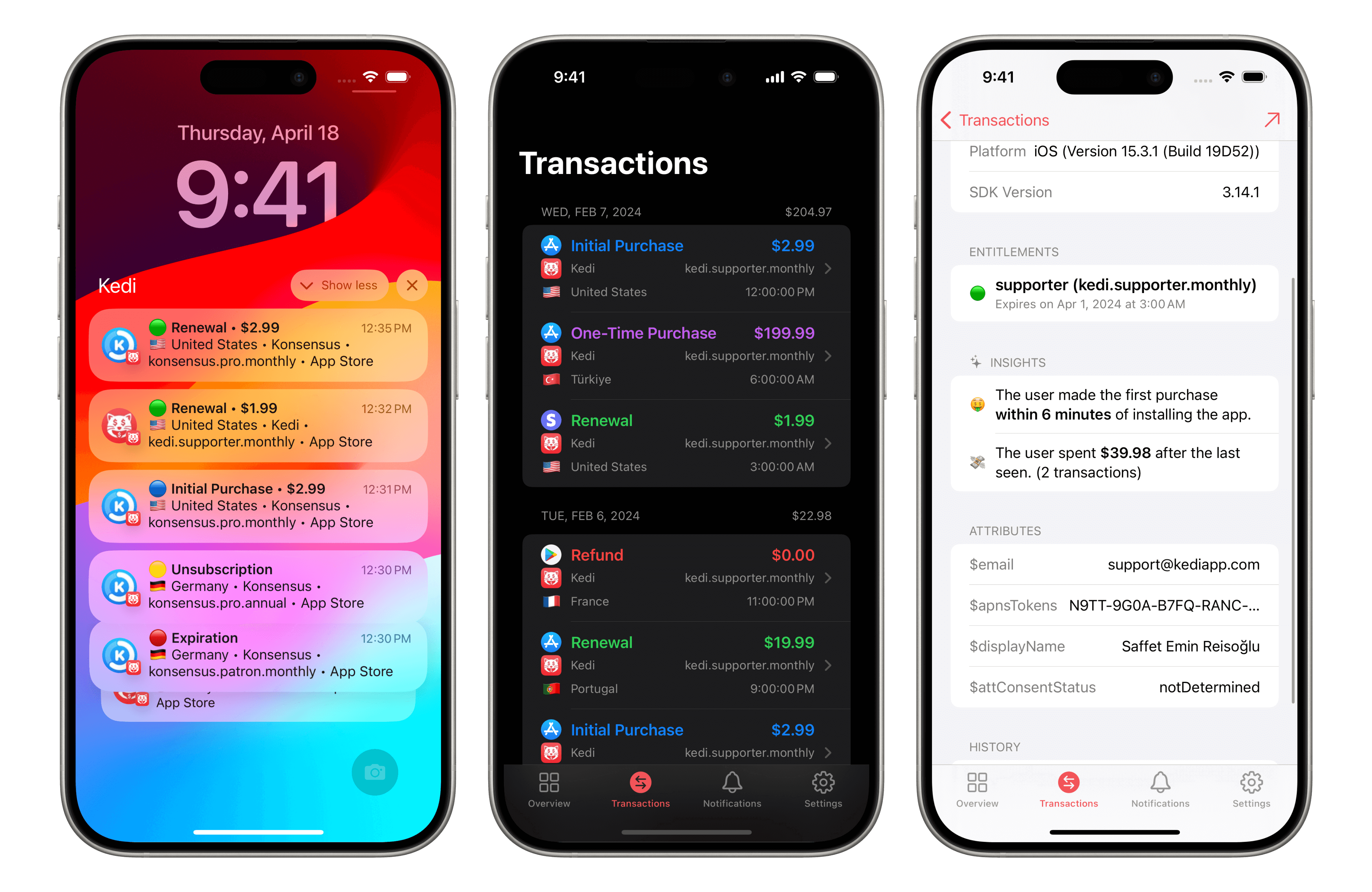
Currently, Kedi enables users to create custom charts, add a webhook with just one tap to receive transaction notifications in their projects, view transaction history, access insights tailored for their users, and check when payments will be received from the App Store. I also made Kedi open-source to support the open-source community, among other features.
How is your day-to-day app development workflow look like?
Since I work as an indie developer alongside my main job, I don't have a very regular workflow, but I strive to maintain as structured a process as possible. To outline my workflow:
I typically begin by addressing incoming emails or messages. If there are high-priority bug fixes that need attention that day, I address them promptly and aim to release the updated version as soon as possible.
When considering implementing a new feature, I refer to the notes and screenshots I've compiled in Figma. I usually gather these materials before commencing development on a new feature. Then, I organize them into groups to establish the requirements before starting the coding process. Naturally, this process is iterative rather than linear.
How do you launch and market your app?
I aim to release the app or a new version as soon as possible, targeting the nearest and most convenient date. Typically, before launching the app or a new version, I share designs for it on X/Twitter. Before releasing Konsensus, there was a TestFlight process lasting about 6 months, during which I gathered a lot of feedback and built a community. I strive to share as many application-related designs and screenshots as possible. I strive to maintain constant communication with users, particularly through email or messages.
What are the future plans for your app?
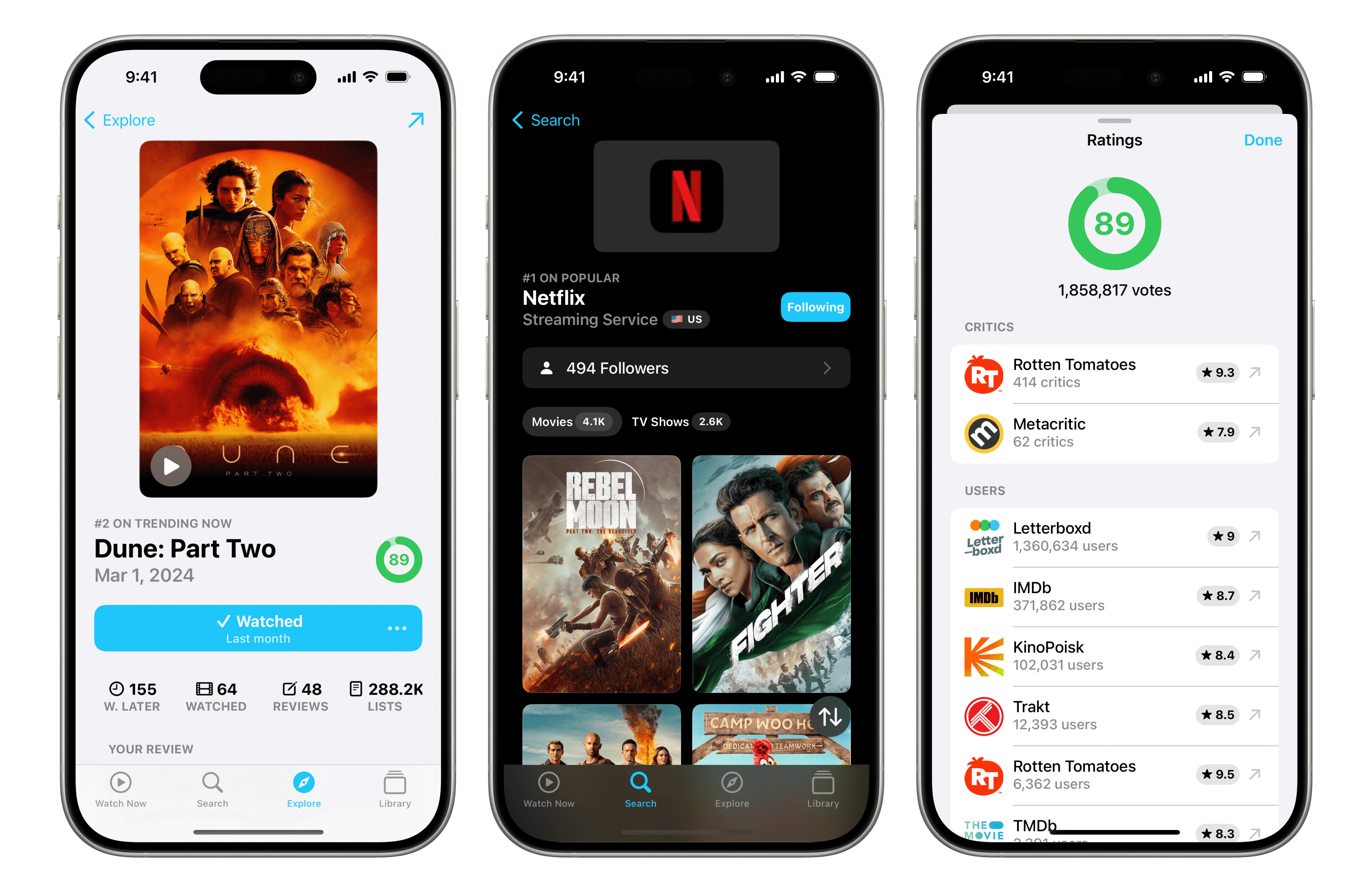
I aim to make Konsensus and Kedi the premier apps in their respective fields, continuously enhancing the user experience. Throughout this journey, I gather substantial feedback from users via emails or messages. However, I don't implement suggestions directly unless I ensure they genuinely address a problem. Currerntly, my focus is on releasing the Events, Lists, and Advanced Filtering features for Konsensus. Additionally, I plan to develop the Advanced Filtering feature for Kedi. Beyond these projects, I aspire to create different apps by year-end, hoping to allocate enough time for their development.
Do you have any interesting lessons learned or tips for other indie makers?
I'm continuously learning new things, but here's what I've learned and implemented so far:
- • Release the app or feature as early as possible and share designs and screenshots to illustrate the app's progress.
- • Avoid over-engineering, as it can delay the release of your app or feature, or even prevent its release altogether. However, it can have a positive impact on you in the long run. The key is to make this decision consciously before you begin.
Looking back, are there any decisions or actions you regret not taking before or during the development and launch of your apps? Is there anything you would have done differently?
I'm still trying many things and giving up on many things. I think the important thing is not to get obsessed. More precisely, the important thing is to know when to stop doing some things. You cannot learn without doing this. Also, I would be careful to share more of what I do, I would give more importance to ASO and marketing, I would like to release more apps by paying attention to my time management.
Are there any indie makers or creators whose work you admire and follow closely?
I choose the people I follow carefully and this changes constantly over time. So I'd better tell you the people I've been following lately. (Some of them I have been following for a long time) I won't be able to mention all of them but just to name a few: @jsngr, @ChristianSelig, @levelsio, @marc_louvion, @michael_tigas, @jordibruin, @SebastianRoehl, and @SebJVidal.
Thanks for reading til the end. Hope you enjoy the interview as much as we did.
Indie Interviews by Indie Goodies is all about discovering and showcasing indie makers. We firmly believe that behind every app, there's an inspiring tale of passion, creativity, and perseverance. We're always on the lookout for aspiring indie makers to feature in our series, and if you have any suggestions or recommendations, we'd love to hear from you.
Once again, thank you for joining us on this journey. Your support means the world to us. Until next time, keep supporting indie makers, keep exploring innovative apps, and subscribe to Indie Goodies interviews for more.