Indie Interviews

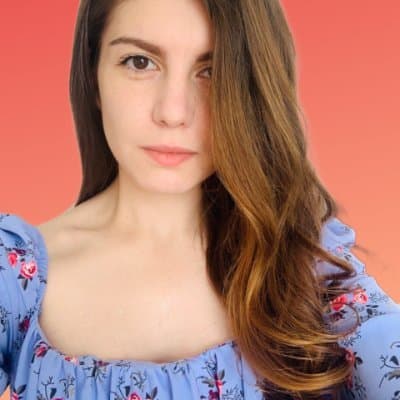
Can you tell us more about yourself and what led you to become an indie maker
Back in high school, I got into coding, especially web development. Later I was building websites as side projects while getting a degree in Business & Computer Science. During this time, I discovered product management as a professional field and completed an online course. I liked how versatile and exciting the responsibilities of the role were and it seemed like the perfect training ground before doing something on my own.
As a product manager, I have been doing a lot of qualitative (problem interviews, usability testing) and quantitative (a/b-testing, switch-back-testing) research, data-science projects, and even tested alternative business models and optimized unit-economy of the products I was responsible for. Some parts of the corporate culture were fun and some just weren’t for me. I wanted to invest more time in things like research and development, see the results of my work quicker, depend less on corporate processes, and still have some income.
I had a colleague who was working on a habit-building app that was making some money. It made me think it could be exactly what I wanted! After checking out the mobile app industry I decided to give it a try. I had enough savings so I quit my job to free up time and energy for learning, completed a Flutter course, and started my indie app-making journey.
How did you come up with the idea? How do you generate ideas for your apps or projects, and how do you identify the problems or needs your app can address?
To put it simply, I was trying to find a balance between my personal needs and what the market needed. After I finished my Flutter course, I did some research to see what was trending using tools like Google Trends, Trend Hunter, Pinterest Predicts, and Sensor Tower. My goal was to find a great idea for my first app. I made a list of different ideas, considering things like my skills, interests, trends, and the size of the market. But none of them really clicked.
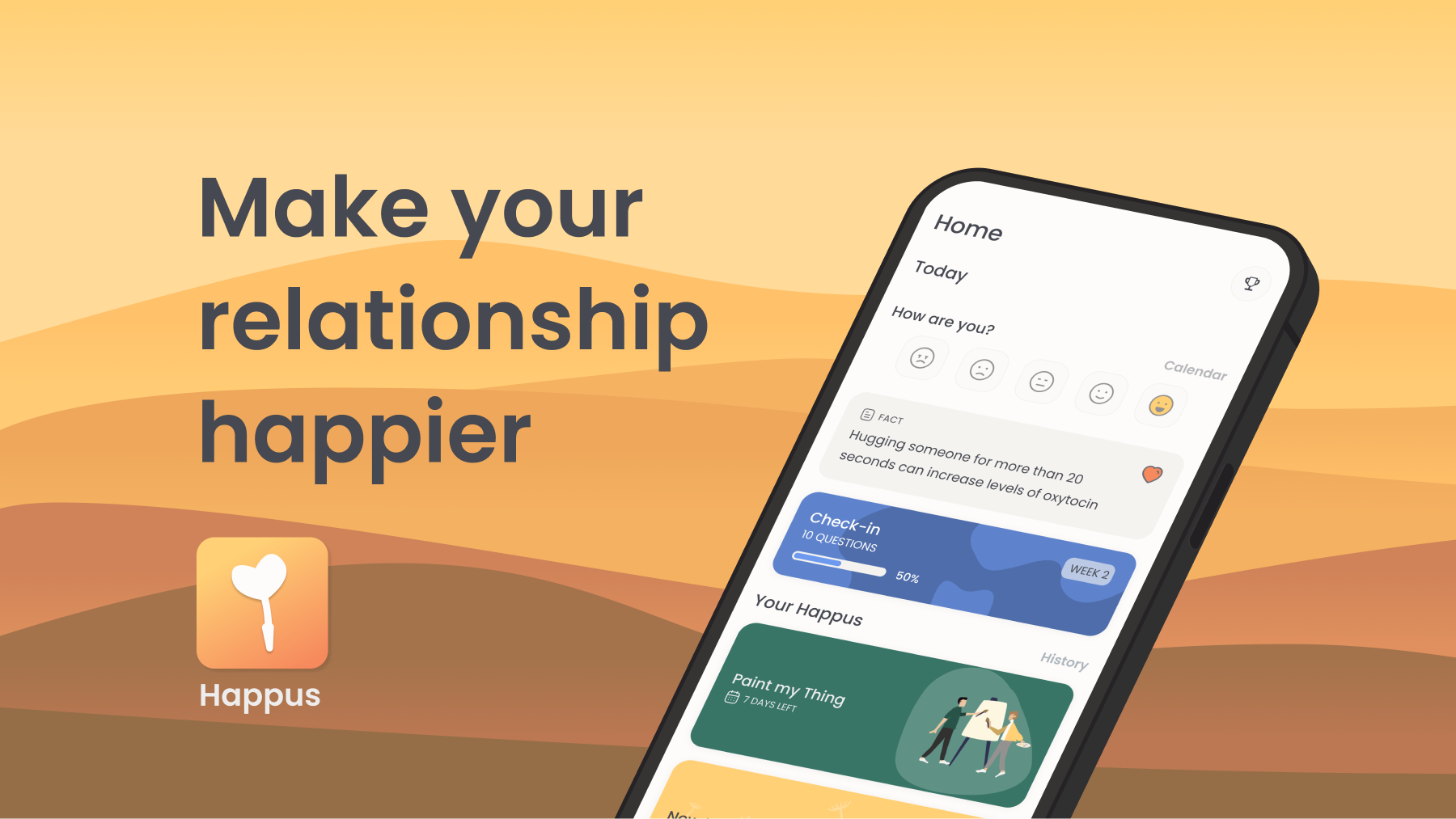
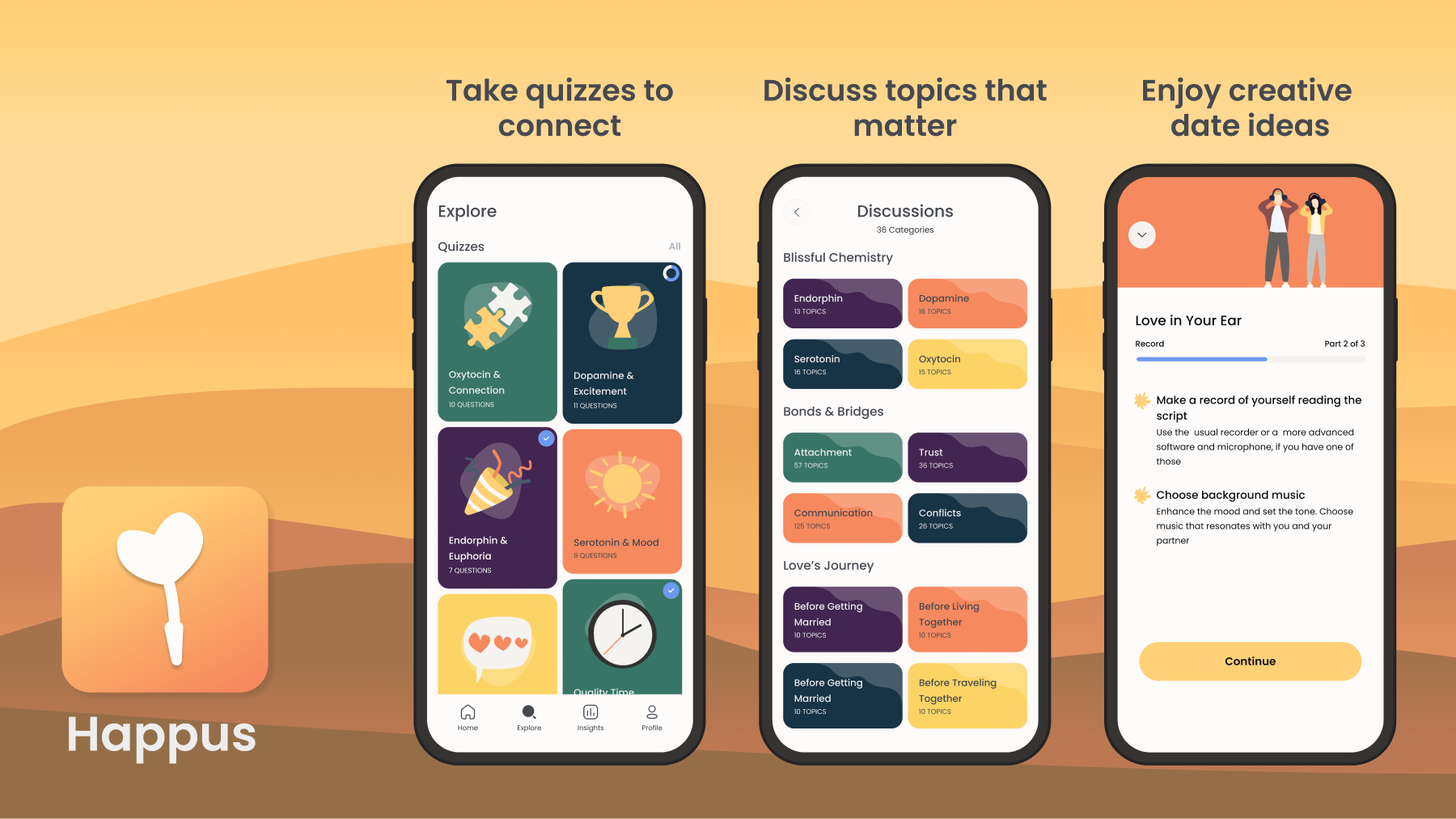
Then, I remembered a personal problem I had faced. When I was working, my partner and I were often too tired after work to do anything enjoyable besides watching TV or playing video games. Back then we solved this by planning fun activities in advance alongside our work and stuff. When I was brainstorming ideas for my first app, it occurred to me that turning this into an app might be a good idea. So, I did some more research and found a potential niche in the market for such an app. That's how I came up with the idea for Happus, a guide to having a happy relationship.
How does your day-to-day app development workflow look like?
Every morning I start my day by reviewing the data from the previous day, which includes information on crashes, subscriptions, sign-ups, and more. I write down the problems/ideas into the backlog and prioritize them.
Then, depending on where the project is at, I either research/design/develop/create content or prepare marketing materials the whole day as I’m doing all this full-time. I try to have some kind of sprints, with each sprint resulting in an improved version of the product. For example, I can spend 1 day researching keywords and market players, then 2 more days designing the basic flow and first UI elements, and then a couple more days creating basic models and services. So by the end of the week, I hopefully have an MVP or some kind of improvement ready.
I have a roadmap and I try my best to stick to it. So it’s easy to see what’s requiring my attention next
How do you launch and market your app?
Not the best way possible yet, that’s for sure! There was no launch strategy for Happus because I didn’t know anything about it, I just put it out there to see if anyone would pay for a mobile app with date ideas. I mainly relied on ASO.
As I learned more about app marketing along the way, I tried platforms like TikTok, Instagram, Facebook, Reddit, and Quora, but I didn't get great results. So, for Happus, I'm sticking with ASO for now, thinking about writing blog posts and reaching out to the press. I'm also hoping to try some paid marketing soon.
What are the future plans for your app?
I want to conduct some qualitative research (problem interviews and usability testing), and then, based on its findings and existing data insights, I’ll try to simplify the user flow. In addition, I’m working on adding some in-app couple-oriented games to make the user experience more enjoyable and increase user retention. Marketing-wise, I will focus on finding some good organic channels and try paid marketing.
Do you have any interesting lessons learned or tips for other indie makers?
I’m pretty much still figuring it all out myself! But here are a few things I’d say to myself if I could travel back in time:
-
• Better make your first app super simple and launch it as quickly as possible to understand the full cycle from discovery to deliver
-
• You need some kind of reliable marketing channel and some launch strategy because your ASO will probably suck the first time and you won’t get enough data for making decisions for a while Some marketing services are not supported in some countries, so be prepared to improvise
-
• Test your builds on older OS versions too and remember about cases with no internet connection
Looking back, are there any decisions or actions you regret not taking before or during the development and launch of your apps? Is there anything you would have done differently?
I definitely should’ve started following the indie makers' community on Twitter earlier and added free trials to Happus from the beginning
Are there any other products that you are particularly proud of? Could you share some details about them
Yes! Absolutely! I recently launched my second app called Timus. It’s a visual multi-timer that can be used for different purposes. I believe both the development and marketing were a bigger success this time.
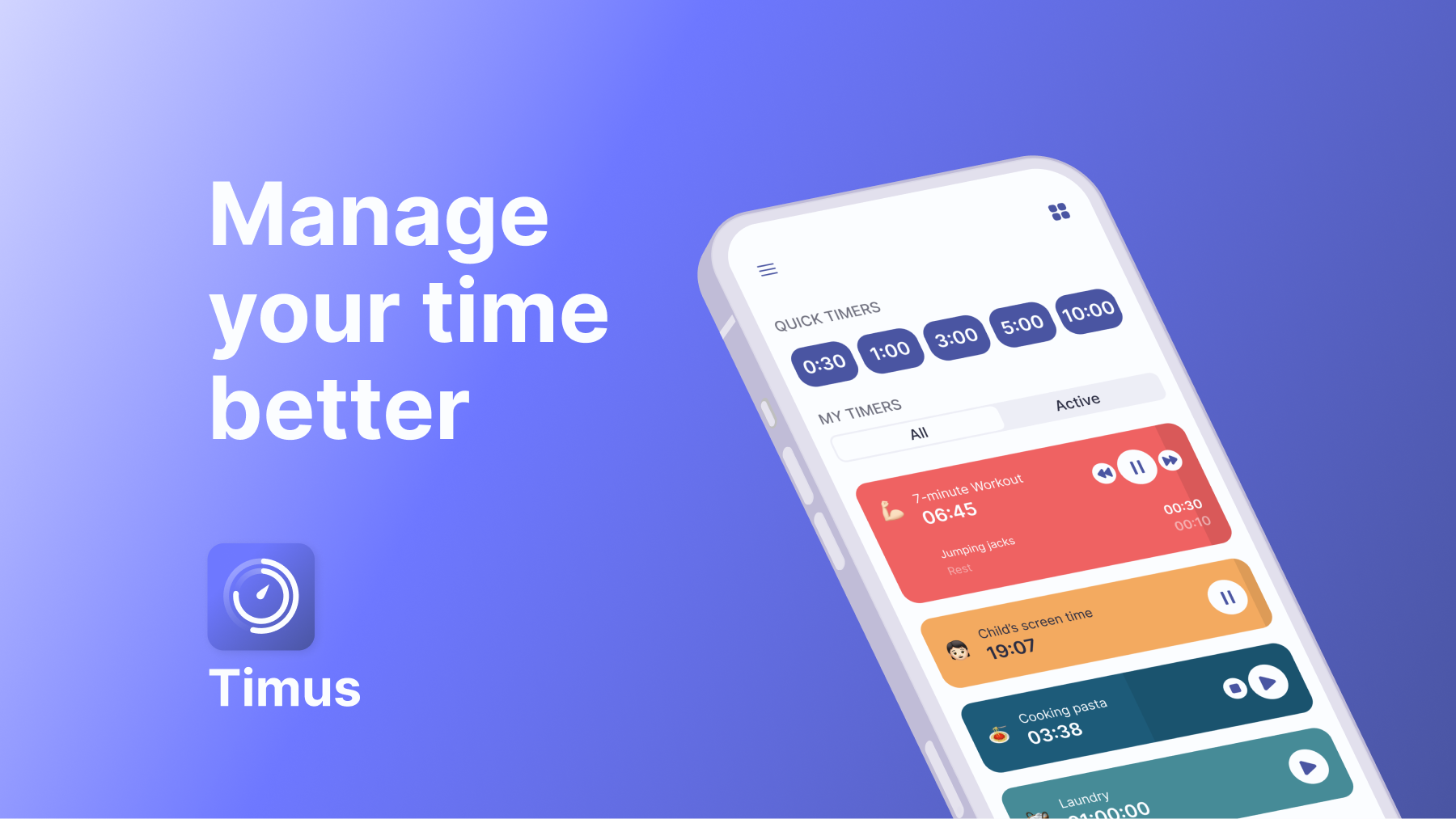
This time I knew a lot more about different ASO tools, so I relied mostly on them. For a couple of days, I searched for some keyword opportunities and even formed long and short lists of ideas again. But nothing «clicked» again. That same day my friend told me they couldn’t run multiple timers on the iPhone Clock app and they needed this option for some personal reasons. So I looked into that timer topic too, checked the popularity and competition for related keywords, and decided it was worth a shot.
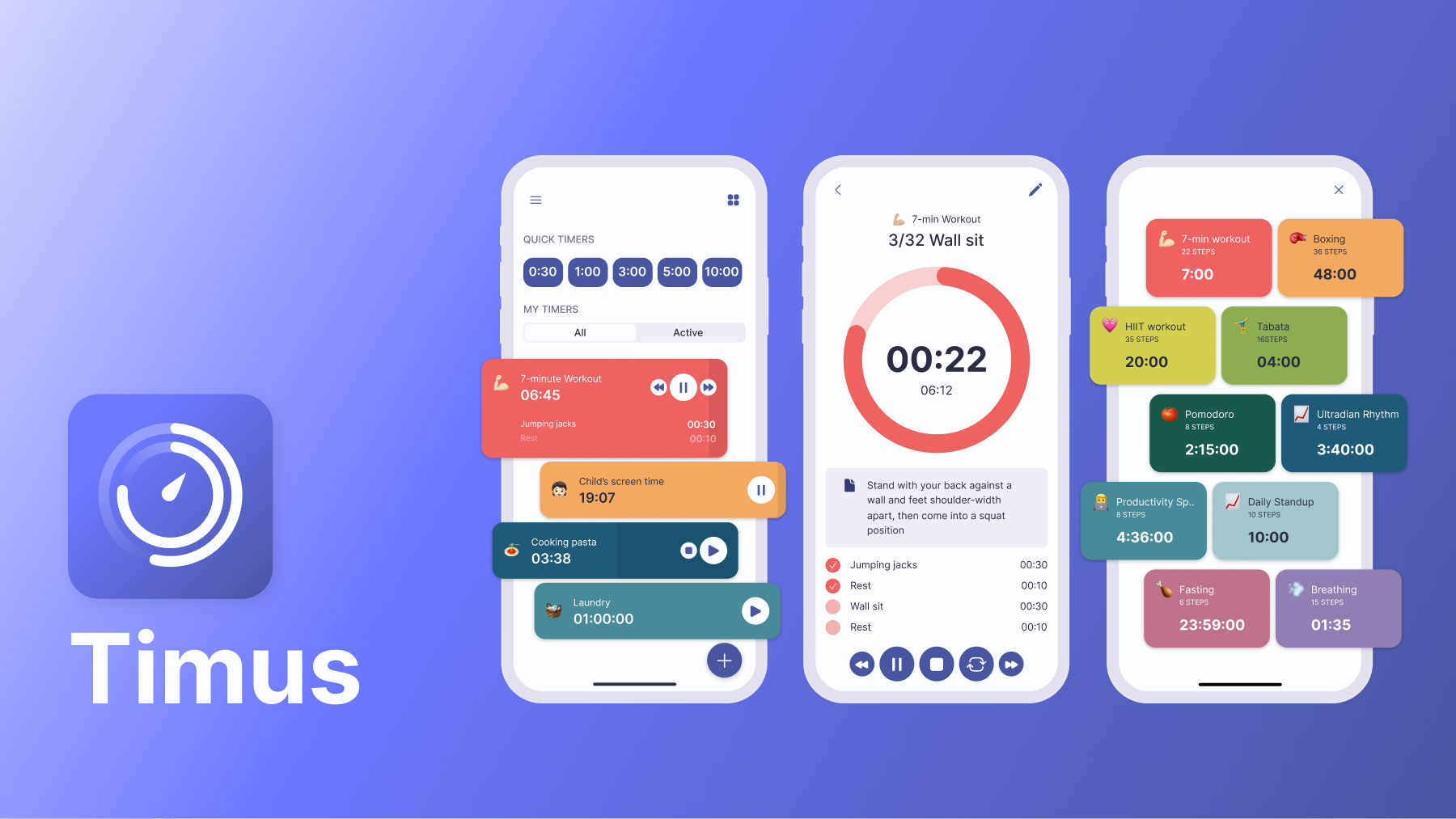
Now, when it comes to marketing and enhancing the launch process, I still invested a lot of time in ASO beforehand, but this time I also shared some sneak peeks on Twitter for a couple of days before the launch. Both a better ASO approach and announcing the release of the app on Twitter helped Timus get 7 times more downloads on a launch day compared to Happus’ average downloads values.
Are there any indie makers or creators whose work you admire and follow closely?
Sure! Some of them were already mentioned in these interview series, but I can’t help it, they are truly cool makers to follow.
Matteo Spada is extremely helpful and has great experience in ASO.
Kris Slazinski has outstanding UX and localization expertise.
Sebastian Röhl is really killing it at sharing the development journey and marketing on Twitter. Moreover, I get really inspired by some of his visuals, hope he doesn’t mind.
Maksym, Manuel Kehl, and Nick are inspiring me to try different tools and channels and be active on Twitter.
And there are some ultimate role models for me like Adam Lyttle and Marc Lou. They make products for a living and prove that my goals can be achieved too.
Could you recommend any specific tools or resources that you believe are helpful for other indie makers, especially those just starting out?
Flutter course by Maximilian Schwarzmüller is super helpful for starting a mobile app development journey
Appfigures is the best ASO tool among those that I tried (SensorTower, AppFolow), especially because of Ariel ’s articles and guides
AppMasters podcast by Steve P Young has a lot of food for thought on app marketing topics
Thanks for reading til the end. Hope you enjoy the interview as much as we did. Below are some useful links mentioned throughout the interview
Indie Interviews by Indie Goodies is all about discovering and showcasing indie makers. We firmly believe that behind every app, there's an inspiring tale of passion, creativity, and perseverance. We're always on the lookout for aspiring indie makers to feature in our series, and if you have any suggestions or recommendations, we'd love to hear from you.
Once again, thank you for joining us on this journey. Your support means the world to us. Until next time, keep supporting indie makers, keep exploring innovative apps, and subscribe to Indie Goodies interviews for more.