Indie Interviews
Can you tell us more about yourself and what led you to become an indie maker
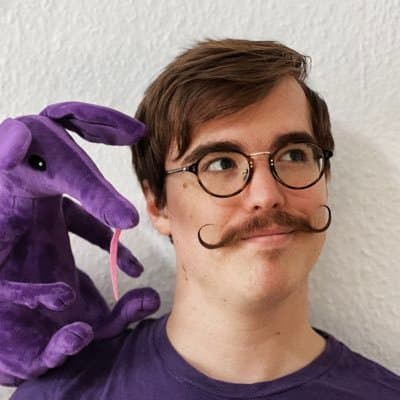
My name is Manuel and I’m an independent app developer from Germany. When you ask children about their dream job, they will often say something very exciting, like astronaut. For me, it was always “inventor”. The thought of dreaming something up in my mind and then turning it into a tangible thing that works and improves peoples’ lives always had an incredible fascination to me and I think this is ultimately what led me on this path to learn programming as a teenager, study computer science and then later work as a software engineer.
After university, I had the privilege to work at Apple for over five years (first in the UK and then in the US) and I really enjoyed every moment of it. Writing code that becomes part of iOS, macOS and tvOS is a surreal feeling and it was such a great environment with wonderful coworkers and super interesting projects.
However, I’ve always been a tinkerer at heart and when my wife and I decided to move back to Europe, it made sense to take a career step that leaves more room for creative freedom, exploration and experimentation, so instead of looking for another full time job, I decided to “go indie”.
Since then, I’ve spent my time working on both freelance projects and my own apps, which is a fantastic mix, because I enjoy working in other code bases and with other people and have an additional income stream while having much more flexibility and creative freedom to work on my own projects than a full-time job would offer.
How did you come up with the idea? How do you generate ideas for your apps or projects, and how do you identify the problems or needs your app can address?
As someone who grew up in rural Germany, living in London was super exciting for me, but also stressful and a little overwhelming at times. It was during that time that I started meditating and I enjoyed it so much that I have (more or less) stuck with it ever since.
Back then, I used guided meditation apps which were a great way to learn the basics. But over time, the spoken instructions actually felt like a source of distraction for me and the fixed script felt too limiting, which sparked my curiosity about unguided meditation with just a timer. The stock iOS timer app was too limited, because it lacks recurring intervals bells that remind you to return your focus and the meditation timer alternatives I found were either not as well integrated with Apple’s platform features as I wanted, or simply looked and behaved too different from the vision I had in mind.
Unable to find something that ticked all the boxes for me, I started building Zenitizer to "scratch my own itch” in classic indie dev fashion
How is your day-to-day app development workflow look like?
One aspect of being a one-person company that is not super obvious from the outside is how many different roles and responsibilities you need to deal with. You have to “wear all the hats” and there are some hats that I feel a lot more comfortable with (e.g. developer hat, designer hat) than others (e.g. marketing hat, accountant hat) and depending on which hat I’m wearing, my days look very different.
In general though, I plan all my work (coding, design etc. but also admin and accounting work, press outreach, marketing efforts and customer support) in Tasks where I assign rough priority and effort estimates. Since I’m working on my own and don’t need to tightly align deliverables and deadlines with other team members the plan does not have to be super detailed but doing it at a high level and trying to make at least “t-shirt size estimates” for the time needed for each step, helps to set more realistic targets and forces me to prioritize early and hold myself accountable.
I generally have a backlog of high level tasks that act as a loosely defined roadmap. Then each Monday morning I pick or define a number of tasks to work on for the coming week and each day I select a subset of these tasks to work on - one at a time.
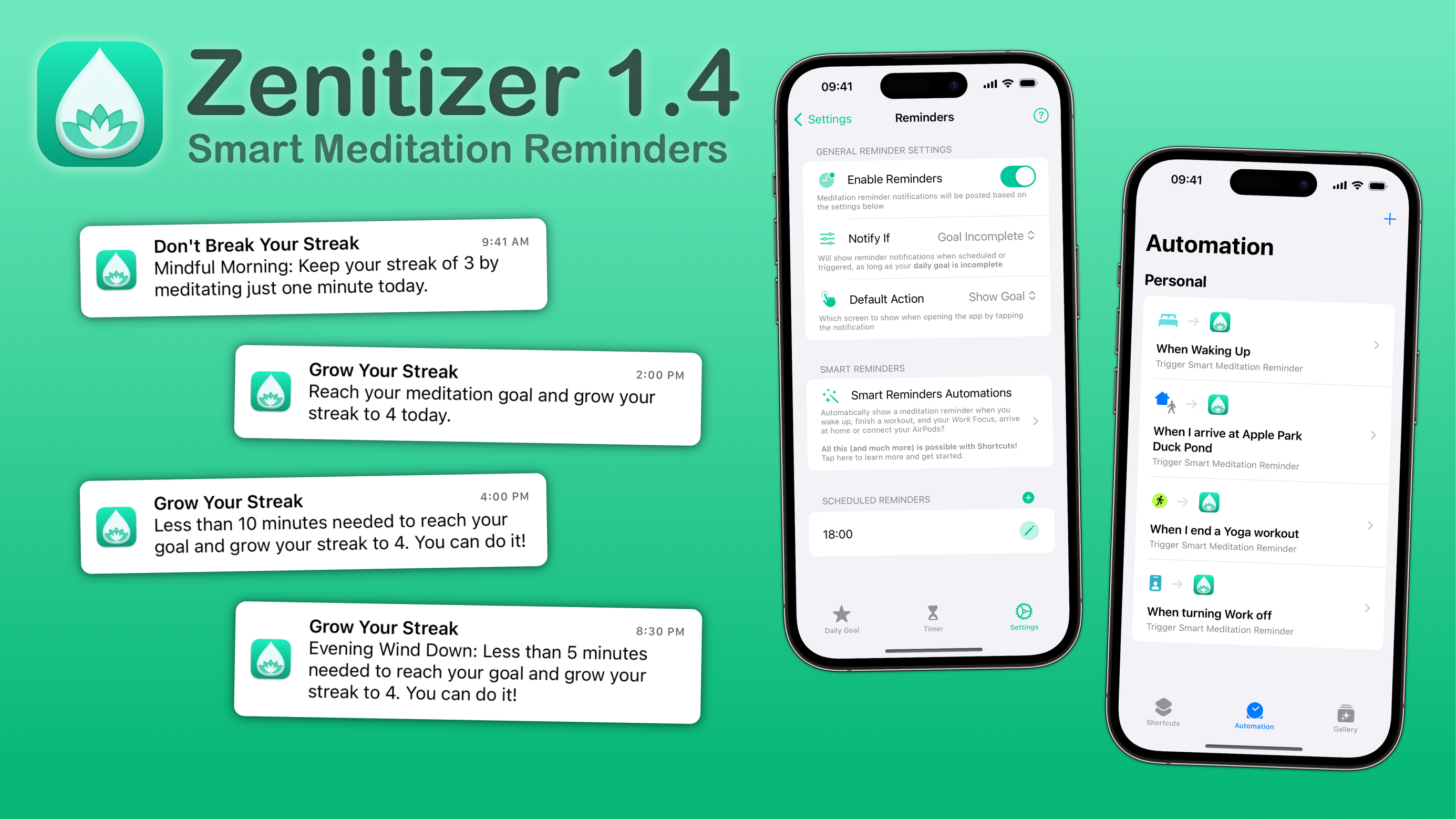
I have a super nerdy Shortcut that lets me pick a task from the “today" column, moves it to the “doing” column , enables my “Deep Work” focus mode and plays my focus music playlist for a set amount of time. When that focus mode ends, a Shortcuts automation based on Zenitizer’s “Smart Reminders” feature will remind me to meditate if I haven’t met my goal yet 🤓 After the break I will do the next iteration. It’s essentially the Pomodoro technique but with ~50 instead of 25 minute sessions.
How do you launch and market your app?
One thing that I would highly recommend is trying to get the word out early on. I found a lot of wonderful beta testers on Mastodon and X long before the app was even available on the App Store. This was incredibly valuable both to validate that there’s at least some interest in an app like Zenitizer and to get early user feedback that allowed me to select the right priorities for v1.0. Last, but not least it was also super motivating to see early adopters using my app even though it was still buggy and unfinished. It was certainly a major source of motivation for me to get it ready to ship.
Prior to launch (and for each significant update) I usually create and send out a press kit, fill out the App Store editorial form and usually announce the launch/update on social media. For new launches or really big updates I will also set up a Product Hunt launch which I’ve certainly found useful to get in touch with other indie builders and get more early users and feedback.
What are the future plans for your app?
Way too many 😅 In general I have a lot of features planned that I try to prioritize based on user feedback (to the extent that makes sense with the overall roadmap). Some of them are: session notes/journalling, Apple Music integration, support for tracking mindful workouts and Apple Watch heart rate tracking.
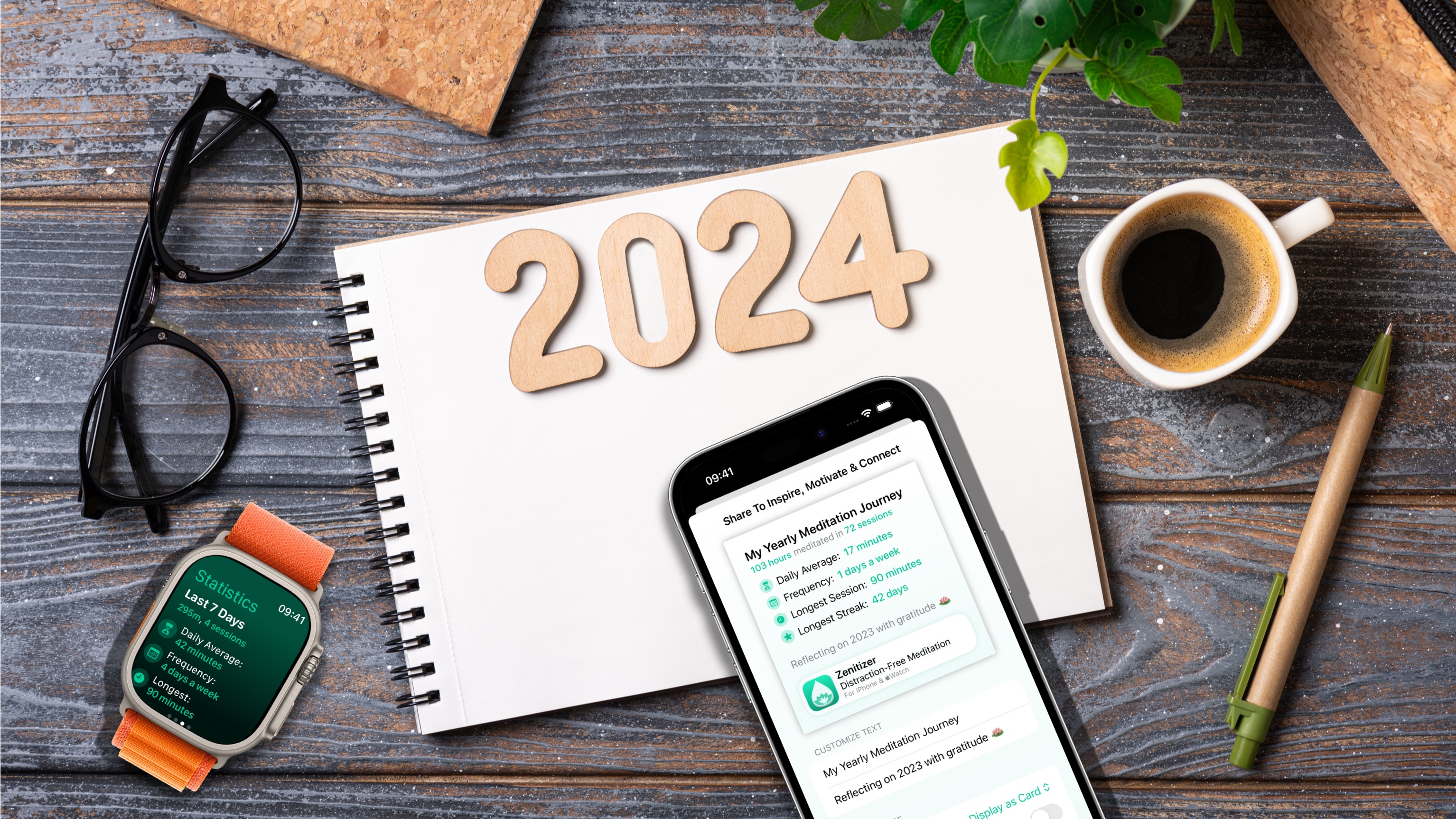
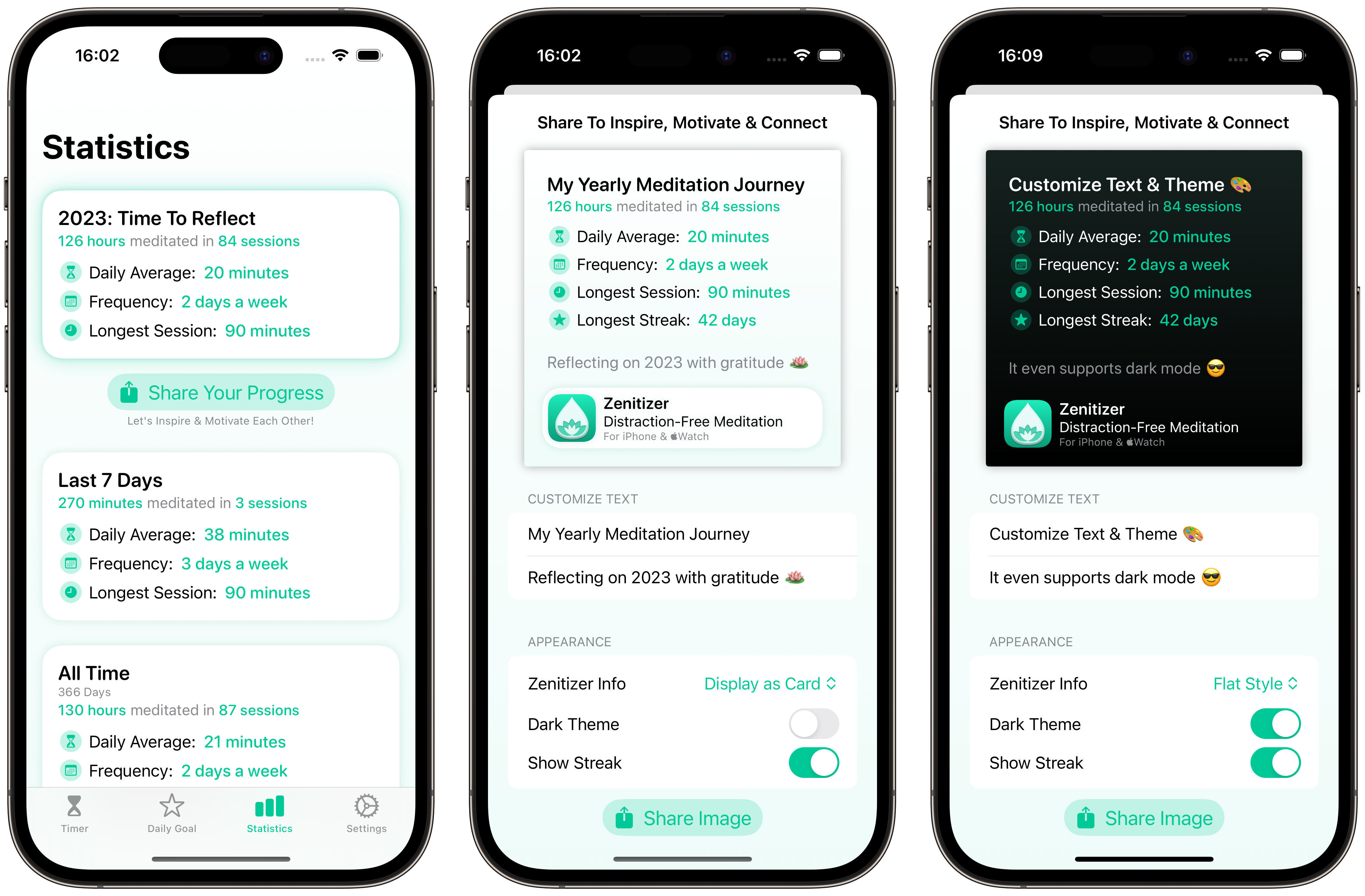
I recently added detailed meditation statistics (primarily in the context of a “year in review” type feature) but I am considering expanding on this to move more towards showing rolling averages and trends in favor of streaks. Streaks can be motivating but also frustrating if you break them and I want my app to be a source of relaxation - not the opposite!
One could argue that “you meditated an average of 20 minutes each day and 5 days per week over the last 7 days. That’s a 15% increase over the previous period and exceeds your goal” more meaningful than “you have a 3 day streak”. Ultimately it’s not a big deal if you skip a single day occasionally, but you do want to be aware of your overall trends.
But since the app’s goal tracking is currently heavily focused on streaks (and some users really like them so I want to keep them around as an option), it will require a lot of careful design considerations and refactoring to get there :)
Do you have any interesting lessons learned or tips for other indie makers?
One important lesson learned for me is to always plan with extra time and slack days. As an indie app developer there are always things that are unforeseeable, especially when you’re just starting out and in my experience things tend to take longer than I initially think. I am honestly still getting better at this every day and often find myself having unrealistic expectations and estimates.
Looking back, are there any decisions or actions you regret not taking before or during the development and launch of your apps? Is there anything you would have done differently?
I probably should’ve opened up and shared the TestFlight a lot earlier. It was my first App Store app and I was super hesitant about how it would be received but I think most users understand that a beta means unfinished work with many rough edges, so I now think you really don’t have much to lose by sharing unfinished work earlier. The additional feedback and opportunity to build an audience of early adopters is absolutely worth it!
Are there any other products that you are particularly proud of? Could you share some details about them
Fun fact: back in university, before joining Apple I was a total Linux nerd and I used to work on Open Source side projects for Linux desktop apps and toolkits. One of them is still actively maintained by other developers (one of the beauties of Open Source is that your project does not have to stop if you no longer work on it) which makes me really happy to see, even though I personally no longer use Linux on the desktop. The app is called Go For It and it's a combination of todo list and Pomodoro timer (guess I just really like timers, haha).
I actually just built a completely new app rather spontaneously that I plan to launch this week: Day Peek: Calendar & Clock for Apple Vision Pro
The idea is to have a little floating window that shows your schedule and time at a glance so you never lose track of upcoming events etc. while you’re working deeply immersed in visionOS. Fun detail: the main window shows the current or next upcoming event and its background color slowly fades in when the event comes closer so even if the app is just in your peripheral vision you see something is “coming up soon”.
There’s also a count-down timer and progress bar for active events, so if you block certain deep work periods in your calendar you can use this as a focus timer. I’ve had this idea for a widget on Mac and iOS for a while (and still plan to bring it to those platforms) but figured on visionOS it’s so easy to lose track of your schedule and time so I decided to launch it there first because it provides even more value there!
Are there any indie makers or creators whose work you admire and follow closely?
There are too many to name, because the iOS indie community is so amazing, so I've just picked a few that I follow closely and am very fond of semi-randomly and in no particular order :)
Ryan Ashcraft: Developer of the nutrition tracker FoodNoms who's been sharing many interesting insights along the way: both from the technical and business side of things.
Mustafa Yusuf: developer of Tasks, my favorite task manager for all Apple Platforms. He's a really fun person and a great developer, so absolutely worth following!
François Boulais: indie developer of "Drylendar" an app to help folks drink no/less alcohol and organizer of Indie App Santa which I am personally a big fan of because it let me discover many amazing new apps from indies and allowed many people to find out about Zenitizer shortly after it launched!
Rafael K. Streit: Developer of Tripsy, my favorite travel planner for Apple platforms. He shares cool updates and interesting insights from his journey building the app.
Could you recommend any specific tools or resources that you believe are helpful for other indie makers, especially those just starting out?
Mockup is my go to tool for creating early UI layout sketches. SwiftUI makes it super easy to quickly iterate on the final design details in code, so all I really need from a UI design tool is to get a rough idea of the high level layout and arrangement. Mockup allows you to add hand-drawn sketches over different device wireframes which is ideal for this.
ImpressKit is another recommendation I’d like to share as it makes managing press kits so much easier which is a great win for an indie “wearing all the hats”. You'll still need to write the content and create screenshots, of course, but it's so much easier to update, manage and distribute the press kit with journalists
TelemetryDeck is an analytics service that is designed from the ground up to respect user privacy! I personally wouldn't want to have it any other way so that alone is reason enough for me to use them in favor of any of the "big analytics services" but there are other advantages too, such as a super lightweight Swift SDK and a very clean, focused web interface. Their support is absolutely amazing too. Definitely give them a try!
Thanks for reading til the end. Hope you enjoy the interview as much as we did.
Indie Interviews by Indie Goodies is all about discovering and showcasing indie makers. We firmly believe that behind every app, there's an inspiring tale of passion, creativity, and perseverance. We're always on the lookout for aspiring indie makers to feature in our series, and if you have any suggestions or recommendations, we'd love to hear from you.
Once again, thank you for joining us on this journey. Your support means the world to us. Until next time, keep supporting indie makers, keep exploring innovative apps, and subscribe to Indie Goodies interviews for more.