Indie Interviews

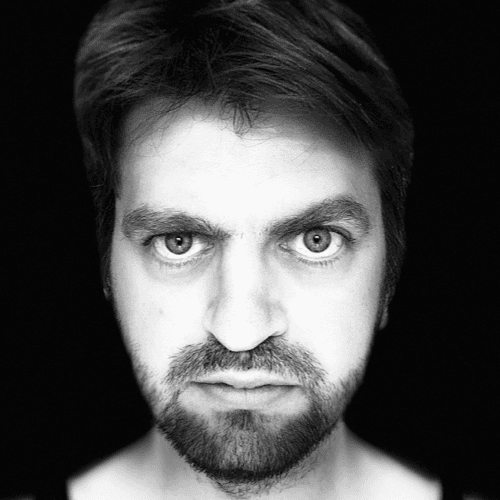
Can you tell us more about yourself and what led you to become an indie maker?
My professional career began as a software engineer at The Software MacKiev Company in Kyiv, Ukraine, in 2005. It was the year when Apple started switching from PowerPC to Intel. The iPhone had not yet been revealed to the world. And Mac enthusiasts like me were pretty rare at that time, especially in Ukraine.
Everything changed in 2008 (even though we didn't fully realize it then) with the introduction of the first iPhone SDK. The company where I worked was trying to come up with some products to hit the opening of the App Store in July 2008. I was lucky to be assigned to that project, where I worked closely with the designer I later invited to shape an original app I'd been developing for a while.
We spent eight months developing the first version of what became iStudiez Pro (at that time, it was called iStudent Pro). We released it on the App Store in April 2009. And that marks the start of my journey as an indie developer and entrepreneur.
At the end of 2010, we left Software MacKiev to pursue our ambitions and continue developing iStudiez. By then, we had already released the iPad version on the first day the iPad hit the market that year. In 2011, we released the Mac version for the newly opened Mac App Store.
In 2015, due to disagreements in standpoints and realizing that together, there was no chance we would create new products, I left iStudiez. At that time, I had many ideas and wanted to turn them into new products.
I moved to France and started working on Taskheat. It took me a long time to assemble a new team and get it right, and in 2018, we released the first version.
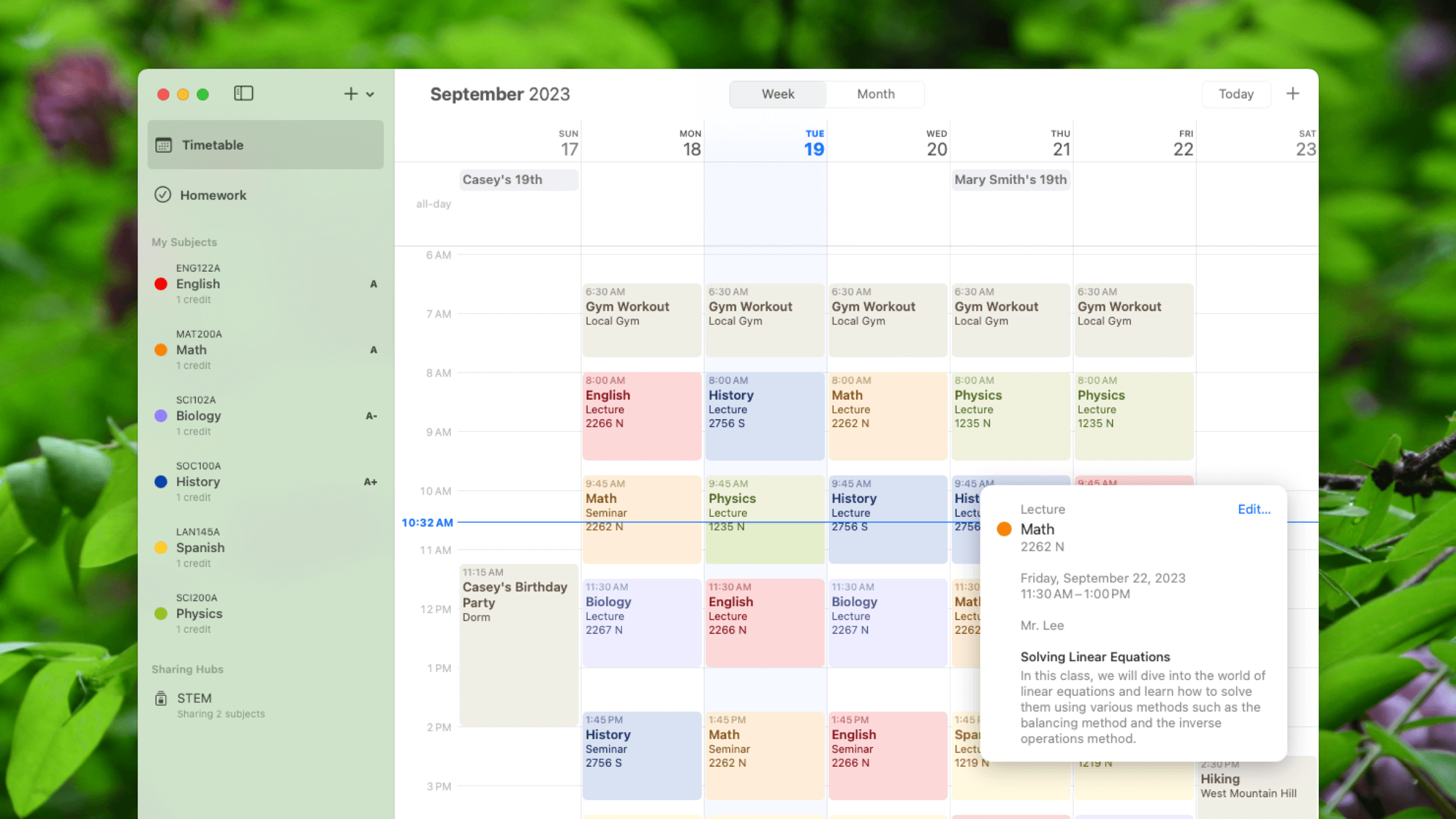
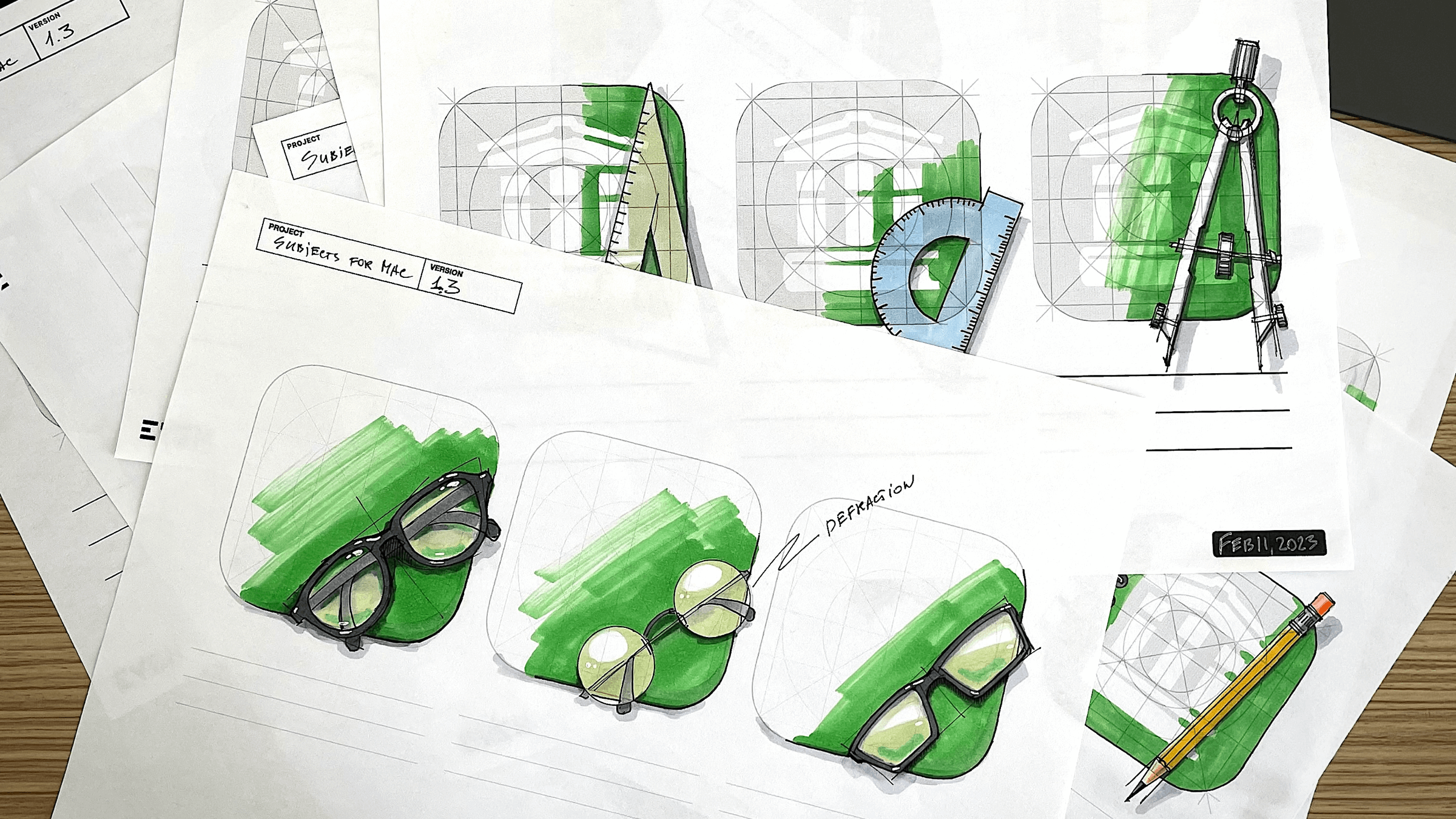
In 2021, I invested time and money to implement many of my ideas from the iStudiez era that were not implemented then, so we started working on Subjects. It took roughly 18 months to get the first MVP, and we released the first version in September of 2022.
So, that is a concise story of my almost 18-year journey to today.
How did you come up with the idea? How do you generate ideas for your apps or projects and identify the problems or needs your app can address?
It all starts with the problems I'm facing myself.
For example, as a student, I wanted to know three things: how much time until the current class ends, what the next class is, and what homework or assignments should be done before that class. With that in mind, I developed the first version of iStudiez. I was still a student then and used it "on the field" on my iPod Touch. Later, it turned out that people around the world loved the idea. In 2021, I reconsidered that vision and combined it with the experience and the new range of technologies available today, and it became Subjects.
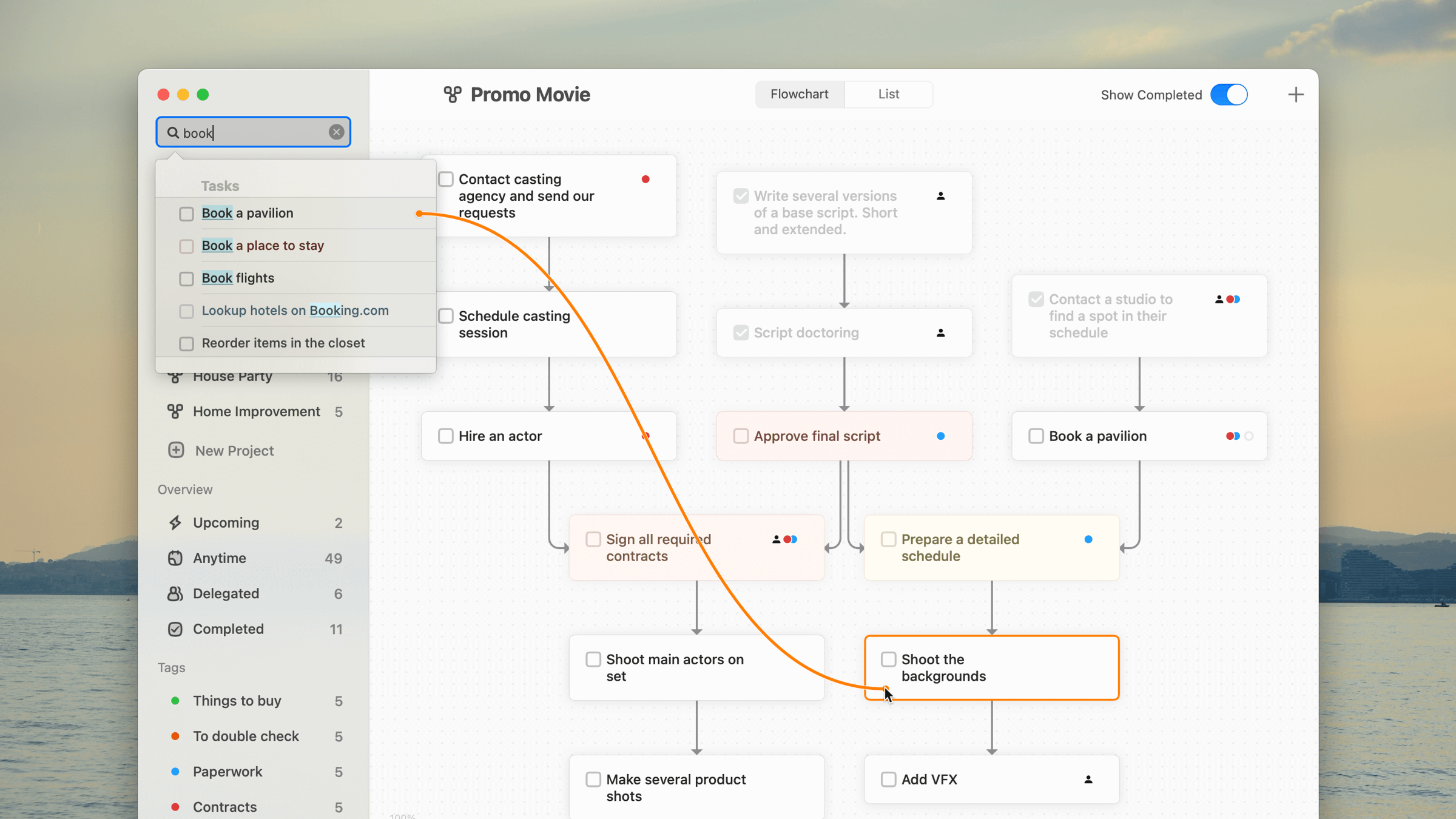
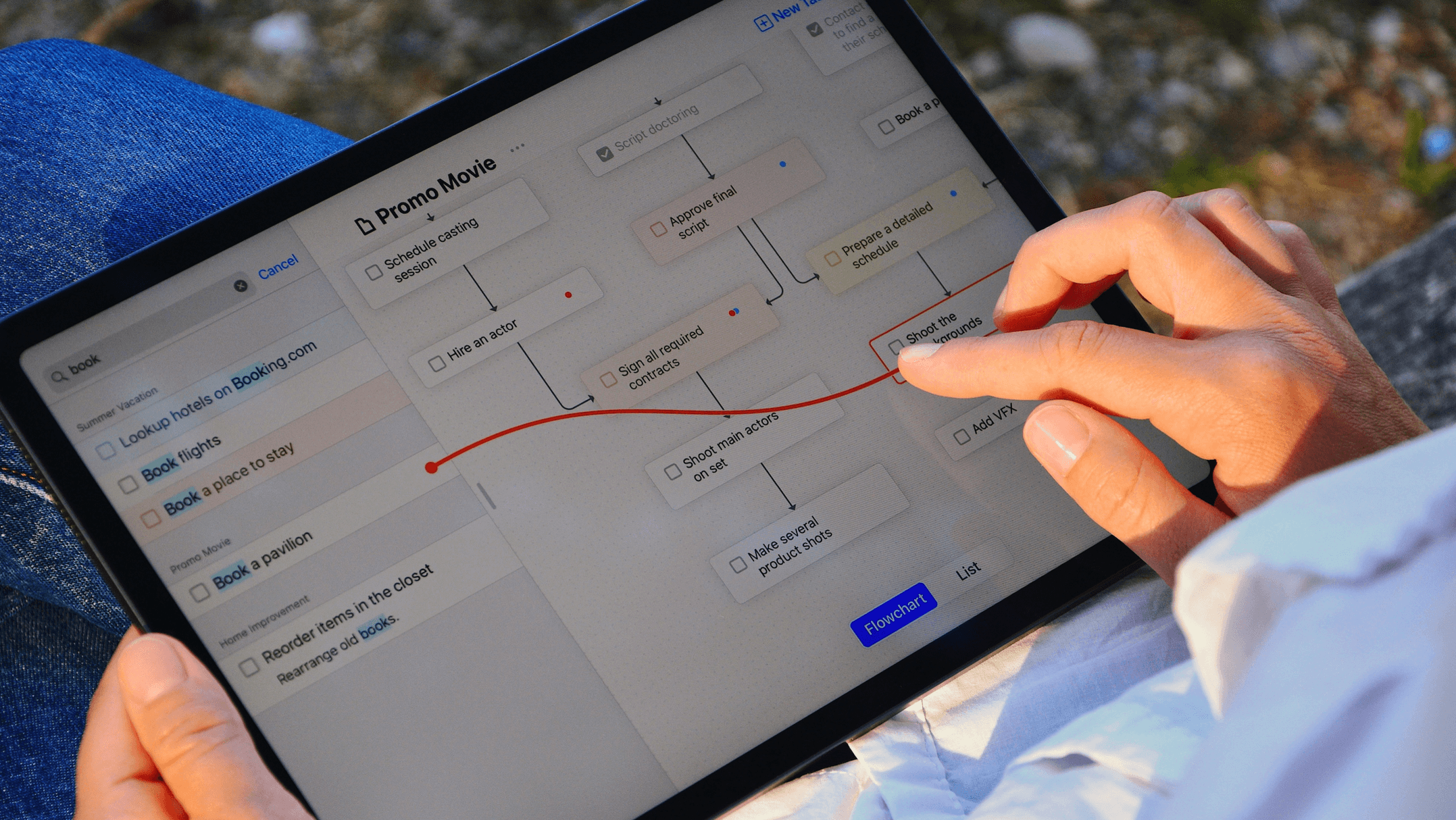
Another example is that in 2015-2016, I had a long to-do list. Very long. At some stage, I realized that not every task from that list was doable at this specific moment. Others blocked some tasks, so I started drawing flowcharts instead of lists. Since I found no app facilitating that approach, I decided to make my own. And that app eventually became Taskheat. The idea behind Taskheat is straightforward: we combine traditional task management with the flowchart view, making it simple to define and manage task dependencies.
For example, if you have a project to build a house, obviously, you need to erect a foundation before painting the walls. So, there's no need to see tasks related to walls and roofs until you finish that foundation. Taskheat has an Actual Tasks view where you can focus on tasks not blocked by other tasks and not delegated to others. It means you can define all the dependencies and shrink your long to-do list into manageable actions to advance you to the ultimate goal.
It took me and my team over two years to release the MVP in late 2018. We released a version for macOS, and in 2020, we added support for iPad and iPhone. During those five years, Taskheat grew considerably in terms of user base and features.
How does your day-to-day app development workflow look like?
As I share the company's CEO and lead developer roles, my day is split into several parts where I resolve various tasks.
I tend to spend the morning reading the news, answering emails, and resolving routine business activities. I like listening to podcasts when I'm cooking or having breakfast. It gives me an idea of what is happening in the world and our industry, what's new, and what I should watch or listen to next. Also, I'm giving a fresh look at the work that we did yesterday.
Often, I see something I missed or something that needs to be fixed. Then, I switch to active development tasks. There's no strict routine since our team works on something new daily, and there's no such thing as repeating tasks. By the way, we tend to automate most repetitive tasks, so we don't have to spend time doing them. In the evening, I tend to do work that does not require constant thinking involved. Usually, it is sketching or designing new features and other visual or graphically rich stuff.
How do you launch and market your app?
Since we are a relatively small business, we can't afford substantial advertising campaigns or big-budget marketing activities. So, our marketing strategy starts with constantly informing folks at the App Store Editorial Team about our upcoming updates so that we have some attention on the App Store.
And we rely on various publications in the media. Over the last few years, we established a good relationship with journalists and bloggers, who helped us gain some attention in the media.
What are the future plans for your app?
We are working on an all-new version of Taskheat that addresses many current problems and issues. It is a lengthy endeavor, but we do it one step at a time. The number one complaint we hear from our customers directly or via App Store or Setapp reviews is that they need more freedom in laying out the flowchart. Moving items around and grouping tasks manually is the top request from people, and we are iteratively developing a solution.
Another direction we are looking into is Apple Vision. Taskheat can shine in that environment, but it requires a significant effort to get there, so we are committed to making it happen.
As for Subjects, we are working on improving its feature set and will make it a first-class citizen of the Apple ecosystem. However, from my experience, those plans should be reviewed and reconsidered a few weeks after each major release. It's because the feedback we receive from our customers and other external factors may significantly influence the initial priorities.
Do you have any interesting lessons learned or tips for other indie makers?
The biggest lesson I learned is the most obvious one: You can't live in 2023 and act like you lived in 2015 or 2009. What I mean by that is that what was needed to develop and launch the app in the 2000s or 2010s changed radically in the 2020s. It's normal, it's OK, but sometimes I tend to freak out because the world is turning, and I need to adapt to new thinking.
Looking back, are there any decisions or actions you regret not taking before or during the development and launch of your apps? Is there anything you would have done differently?
There's no point in looking back. What's done is done, and nothing can change that. There's no point in regretting either because there's nothing good about worrying about something you can't change.
My only reasonable thinking is always to look forward and use the knowledge I've earned through the years.
Are there any indie makers or creators whose work you admire and follow closely?
Yes, I follow many indie developers and would like to mention several creators whose works inspire me. Kevin Reutter is the creator of the Planny app. I'm fascinated by how Shihab Mehboob creates many beautiful and feature-rich apps and shares his work on Twitter. I deeply admire the craftmanship of Martin Lexow. His work is stunning in terms of looks and quality.
I also deeply admire the work of many designers on social media. We all agree that without Michael Flarup, the design community wouldn't be the same. I'm waiting for his latest App Icon Book to be printed. Sebastiaan de With and Ben Sandofsky are among the first designers I've followed on Twitter. Last but not least, I'd like to highlight Yevhen Yurchuk for his inspirational shots and motion designs.
And an honorable mention, even though he's not qualified as an indie developer, Tony Fadell and his best-selling book inspired me to reconsider some of our approaches to development, which was a great success.
Could you recommend any specific tools or resources you believe are helpful for other indie makers, especially those just starting out?
I would split the answer into several parts, depending on your role. If you are the developer, I recommend reading the primary sources first and then looking for other resources. Apple's documentation is imperfect but contains many valuable and crucial details about how things work and why they work that way. From what I see in the community, many folks ignore that precious resource and are destined to "discover" things in plain sight all the time.
If you are a business owner, following the community and other businesses, whether competitors, rivals, or unrelated, is essential. I enjoy reading the interviews and listening to podcasts of other fellow indie makers so that I can learn some lessons and get out of my bubble and comfort zone. I highly recommend Launched podcast by Charlie Chapman and AppForce1 by Jeroen Leenarts.
Thanks for reading til the end. Hope you enjoy the interview as much as we did.
Indie Interviews by Indie Goodies is all about discovering and showcasing indie makers. We firmly believe that behind every app, there's an inspiring tale of passion, creativity, and perseverance. We're always on the lookout for aspiring indie makers to feature in our series, and if you have any suggestions or recommendations, we'd love to hear from you.
Once again, thank you for joining us on this journey. Your support means the world to us. Until next time, keep supporting indie makers, keep exploring innovative apps, and subscribe to Indie Goodies interviews for more.